






Cannabinoid Legality Guide: Complete Federal & State Laws 2025
Are Hemp-Derived Cannabinoids Legal?
The 2018 Farm Bill federally legalized hemp and its derivatives, creating a new era for cannabinoid products. However, state laws vary significantly. This comprehensive guide covers the legal status of every major cannabinoid, helping you navigate the complex landscape of hemp regulations.
Table of Contents
Understanding the 2018 Farm Bill
The Legal Foundation for Hemp Cannabinoids
“The term ‘hemp’ means the plant Cannabis sativa L. and any part of that plant, including the seeds thereof and all derivatives, extracts, cannabinoids, isomers, acids, salts, and salts of isomers, whether growing or not, with a delta-9 tetrahydrocannabinol concentration of not more than 0.3 percent on a dry weight basis.”
Key Provisions That Legalized Cannabinoids
Hemp Definition
Cannabis with less than 0.3% Delta-9 THC is classified as hemp, not marijuana
All Derivatives
Explicitly includes “derivatives, extracts, cannabinoids” from compliant hemp
Interstate Commerce
Allows transportation of hemp products across state lines
DEA Removal
Removed hemp from Schedule I controlled substances
Federal vs State Cannabinoid Laws
Federal Law
- ✅ All hemp-derived cannabinoids legal
- ✅ Must contain <0.3% Delta-9 THC
- ✅ Interstate commerce protected
- ✅ No DEA scheduling for hemp
- ⚠️ FDA regulations on marketing
State Laws
- ❌ Some states ban specific cannabinoids
- ❌ Age restrictions vary (18-21+)
- ❌ Synthetic cannabinoid prohibitions
- ❌ Total THC limits in some states
- ⚠️ Constantly evolving regulations
Non-Psychoactive Cannabinoids
These cannabinoids don’t produce intoxicating effects and generally face fewer legal restrictions.
CBD (Cannabidiol)
The most popular non-psychoactive cannabinoid, widely accepted across the US
- Legal in all 50 states (with hemp source)
- No psychoactive effects
- FDA restrictions on health claims
CBG (Cannabigerol)
The “mother cannabinoid” with growing popularity for wellness applications
- Minimal state restrictions
- Non-psychoactive precursor
- Growing research interest
CBN (Cannabinol)
The “sleep cannabinoid” formed from aged THC, mildly sedating
- Degradation product of THC
- Mildly sedating effects
- Few state restrictions
CBC (Cannabichromene)
Third most prevalent cannabinoid with anti-inflammatory potential
- Non-psychoactive
- Universal state acceptance
- No international scheduling
Psychoactive Cannabinoids
These cannabinoids produce varying degrees of intoxication and face more complex legal landscapes.
Delta-8 THC
Popular THC isomer with milder effects than Delta-9
- Restricted in 18+ states
- 50-70% potency of Delta-9
- Subject of legal battles
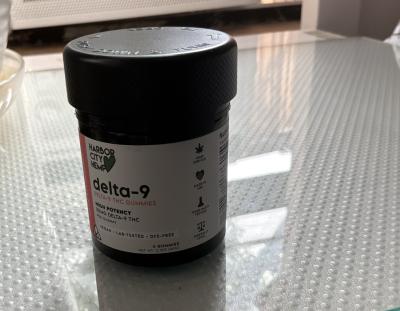
Delta-9 THC
Traditional THC – legal in hemp products under 0.3% by dry weight
- 0.3% limit on dry weight
- Allows compliant edibles
- State laws vary widely
Delta-10 THC
Energizing THC isomer discovered from fire retardant contamination
- 20-30% potency of Delta-9
- Restricted in 15+ states
- Sativa-like effects
THCP (Tetrahydrocannabiphorol)
Ultra-potent cannabinoid with 7-carbon side chain
- 33x CB1 binding vs Delta-9
- Naturally occurring trace amounts
- Growing state restrictions
THCV (Tetrahydrocannabivarin)
The “diet weed” cannabinoid with appetite-suppressing properties
- Mildly psychoactive at high doses
- 14+ states restrict
- Unique energizing effects
Emerging & Rare Cannabinoids
Recently discovered or newly commercialized cannabinoids with evolving legal status.
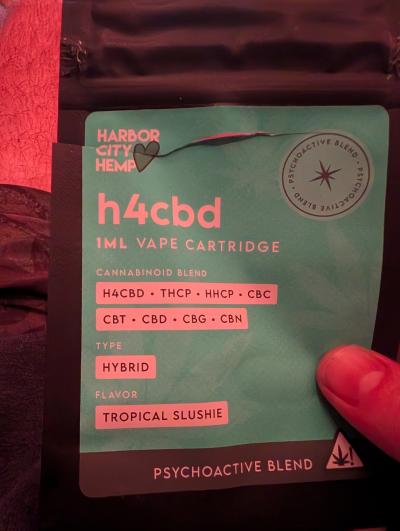
H4-CBD
Hydrogenated CBD with enhanced effects but uncertain legal status
- Semi-synthetic derivative
- Non-intoxicating
- International restrictions
THCB (Tetrahydrocannabutol)
Rare cannabinoid with butyl side chain, discovered in 2019
- Potentially stronger than Delta-9
- Extremely rare in nature
- Limited state guidance
Cannabinoid Compliance & Verification
How to Ensure Legal Cannabinoid Products
Check Federal Requirements
- Hemp-derived source
- Less than 0.3% Delta-9 THC
- Third-party lab testing
Verify State Laws
- Check specific cannabinoid bans
- Age restrictions (18-21+)
- Synthetic cannabinoid laws
Review Lab Results
- Full cannabinoid profile
- Pesticide screening
- Heavy metals testing
Confirm Business Compliance
- Hemp processor license
- Shipping restrictions
- Marketing compliance
State-by-State Cannabinoid Restrictions
Hemp-Friendly States
These states generally allow all hemp-derived cannabinoids:
California, Florida, Georgia, Illinois, Indiana, Kentucky, Maine, Maryland, Massachusetts, Michigan, Minnesota, Missouri, New Jersey, New Mexico, North Carolina, Ohio, Oklahoma, Pennsylvania, South Carolina, Tennessee, Texas, Virginia, Wisconsin
Moderate Restrictions
These states have some cannabinoid restrictions:
Alabama, Connecticut, Kansas, Louisiana, Nebraska, New Hampshire, Oregon, South Dakota, Washington, West Virginia, Wyoming
High Restrictions
These states ban many psychoactive cannabinoids:
Alaska, Arizona, Arkansas, Colorado, Delaware, Hawaii, Idaho, Iowa, Mississippi, Montana, Nevada, New York, North Dakota, Rhode Island, Utah, Vermont
Frequently Asked Questions About Cannabinoid Legality
Are all hemp-derived cannabinoids legal?
At the federal level, yes – all cannabinoids derived from hemp containing less than 0.3% Delta-9 THC are legal under the 2018 Farm Bill. However, individual states have enacted their own restrictions on specific cannabinoids, particularly those with psychoactive effects. Always check both federal and state laws.
What’s the difference between hemp and marijuana cannabinoids?
Chemically, the cannabinoids are identical whether from hemp or marijuana. The legal distinction is based solely on the Delta-9 THC content of the source plant. Hemp must contain less than 0.3% Delta-9 THC, while marijuana exceeds this threshold. Cannabinoids from legal hemp are federally legal; those from marijuana are not.
Why do some states ban federally legal cannabinoids?
States have the constitutional authority to regulate substances more strictly than federal law. Many states have banned or restricted psychoactive cannabinoids due to concerns about intoxication, youth access, impaired driving, and lack of regulation. States cannot make federal laws less restrictive, but they can make them more restrictive.
Which cannabinoids will show up on drug tests?
Most drug tests look for THC metabolites and cannot distinguish between different THC variants. Any THC isomer (Delta-8, Delta-9, Delta-10, THCP, THCV, THCB) will likely cause a positive result. Even some non-THC cannabinoids like CBN may trigger false positives. CBD isolate is generally safe, but full-spectrum products may contain trace THC.
What makes a cannabinoid “synthetic” vs “natural”?
Natural cannabinoids occur in the cannabis plant without human intervention. Semi-synthetic cannabinoids are created by chemically modifying natural cannabinoids (like converting CBD to Delta-8). Fully synthetic cannabinoids are created entirely in a lab without starting from plant material. The legal distinction between these categories remains unclear and varies by jurisdiction.
Can I travel with legal cannabinoids?
For domestic travel, TSA follows federal law, so federally legal hemp products are technically allowed. However, you must comply with laws in your departure state, destination state, and any states you pass through. International travel with cannabinoids is not recommended as most countries have strict cannabis laws regardless of hemp status.
How do I know if a cannabinoid product is legal?
Verify: (1) The product is derived from hemp, not marijuana; (2) It contains less than 0.3% Delta-9 THC; (3) Third-party lab results confirm cannabinoid content; (4) The specific cannabinoids are not banned in your state; (5) The seller ships to your state; (6) The company provides transparency about production methods.
Navigating the Complex World of Cannabinoid Laws
The legal landscape for cannabinoids continues to evolve rapidly. While the 2018 Farm Bill created a federal framework for hemp-derived cannabinoids, state laws add layers of complexity. Understanding both federal and state regulations is essential for consumers and businesses alike.
Key Takeaways
- ✅ All hemp-derived cannabinoids are federally legal under the 2018 Farm Bill
- ⚠️ States can and do restrict specific cannabinoids, especially psychoactive ones
- 📋 Always verify third-party lab results showing <0.3% Delta-9 THC
- 🔍 Research your state’s specific cannabinoid laws before purchasing
- 📅 Laws change frequently – stay informed about regulatory updates
Learn More About Specific Cannabinoids
Click any cannabinoid above to read our comprehensive legal guide, or explore our full selection of legally compliant hemp products.
Shop Legal Hemp ProductsLast Updated: January 2025
Disclaimer: This information is educational only and does not constitute legal advice. Cannabinoid laws are complex and change frequently. Harbor City Hemp products comply with federal law but may not be legal in all states. We reserve the right to refuse sales to any location where legality is uncertain. Always verify current federal, state, and local laws in your jurisdiction and consult with a qualified attorney for specific legal guidance. Never drive or operate machinery under the influence of any cannabinoid.